
Historical Contributions of Women in Blues Music
Women have shaped the blues from its earliest days, defining the sound, expanding the audience, and pushing the genre into new cultural territory. In the 1920s, women were the driving commercial force behind recorded blues. Artists like Ma Rainey, Bessie Smith, Memphis Minnie, and Ida Cox didn’t just perform—they commanded stages, led touring bands, and wrote songs that captured the emotional and social realities of their time. Their recordings became the blueprint for modern blues phrasing, vocal power, and lyrical storytelling.
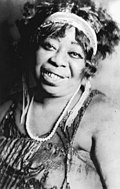
- Ma Rainey (1886–1939) — Southern Touring Circuits, Jim Crow Era
- Location: Georgia, Alabama, Mississippi Years Active: 1900s–1930s
- Ma Rainey built her career during the height of Jim Crow segregation, when Black performers faced travel restrictions, discriminatory laws, and threats of violence. She toured the South with the Rabbit Foot Minstrels and later led her own tent shows — often performing in towns where Black audiences were barred from white theaters.
- Perseverance Example: In 1923, Rainey was arrested in Chicago after hosting a private party with other women musicians. Instead of letting the scandal end her career, she returned to the studio days later and recorded some of her most powerful tracks for Paramount Records. Her resilience cemented her reputation as the “Mother of the Blues.”
- Bessie Smith (1894–1937) — National Touring, Racial Barriers, Economic Hardship
- Location: Chattanooga, TN; touring nationwide Years Active: 1912–1937
- Bessie Smith rose from poverty to become the highest‑paid Black entertainer of the 1920s. She toured in her own custom railroad car because hotels refused service to Black performers.
- Perseverance Example: During the Great Depression, record sales collapsed and many artists lost work. Smith adapted by shifting her repertoire toward swing and performing in smaller venues, keeping her career alive when the industry was collapsing around her.
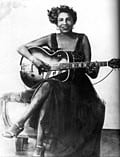
- Memphis Minnie (1897–1973) — Chicago Blues, Gender Barriers in Guitar Performance
- Location: Memphis, TN; Chicago, IL Years Active: 1910s–1950s
- Memphis Minnie was one of the first women to master the electric guitar, competing directly with male musicians in Chicago’s rough club scene. She wrote more than 200 songs and dominated guitar contests — including famously beating Big Bill Broonzy in a 1930s competition.
- Perseverance Example: She navigated a male‑dominated industry that often dismissed women instrumentalists. Minnie insisted on being paid fairly, negotiated her own contracts, and refused to be overshadowed by male bandmates.
- Ida Cox (1896–1967) — Songwriting About Women’s Independence
- Location: Georgia; touring the South and Midwest Years Active: 1910s–1940s
- Ida Cox wrote songs that directly confronted gender inequality — unheard of at the time. Her 1924 hit “Wild Women Don’t Have the Blues” openly celebrated women’s autonomy.
- Perseverance Example: After suffering a stroke in the 1940s, Cox retired from touring but returned to the studio in 1961 to record Blues for Rampart Street — proving her voice and message still mattered decades later.
- Sister Rosetta Tharpe (1915–1973) — Gospel/Blues Fusion, Segregated Venues
- Location: Arkansas; New York; nationwide Years Active: 1930s–1970s
- Though often categorized as gospel, Tharpe’s electric guitar style shaped blues, R&B, and rock. She performed in segregated venues where she had to enter through back doors or eat separately from white musicians.
- Perseverance Example: In 1944, she recorded “Strange Things Happening Every Day,” the first gospel song to cross over onto the national R&B charts — breaking racial and genre barriers simultaneously.
- Big Mama Thornton (1926–1984) — West Coast Blues, Industry Exploitation
- Location: Alabama; Houston; Los Angeles Years Active: 1940s–1980s
- Thornton recorded “Hound Dog” in 1952, earning only $500 while the industry profited enormously. Despite exploitation, she continued performing, writing, and recording for decades.
- Perseverance Example: She fought for recognition in an industry that routinely erased Black women’s contributions. Her powerful voice and songwriting influenced Janis Joplin, Elvis Presley, and countless blues-rock artists.
These women challenged expectations in an era when both racial and gender barriers were steep. They sang openly about independence, sexuality, heartbreak, and resilience, giving voice to experiences that had rarely been acknowledged in popular music. Their influence extended beyond blues, shaping early jazz, R&B, and eventually rock and soul. The foundation they built continues to echo through every generation of blues artists.
Impact on the Genre and Culture
Women in blues have consistently expanded the genre’s emotional and musical vocabulary. Their songs often centered on personal agency—claiming freedom, confronting injustice, and navigating relationships with honesty and grit. This perspective added depth to the blues canon and broadened its cultural reach. Beyond the music itself, women performers helped normalize the idea of women as bandleaders, touring professionals, and creative authorities. Their presence on stage challenged social norms and inspired audiences to see women as powerful cultural contributors. The blues became a space where women could assert identity, autonomy, and artistry, influencing broader conversations about gender and representation in American music.
Women Redefined What Blues Could Say
Women didn’t just perform the blues — they broadened its emotional and cultural vocabulary.
- Ma Rainey sang openly about female desire, heartbreak, and independence at a time (1920s South) when women were expected to remain silent about such topics. Her 1928 recording “Prove It On Me Blues” challenged gender norms and hinted at queer identity, making her one of the earliest recorded artists to do so.
- Ida Cox used her songwriting to confront gender inequality directly. Her 1924 anthem “Wild Women Don’t Have the Blues” became a cultural statement about women claiming autonomy in relationships and society.
Women Expanded the Audience for Blues
In the 1920s, women were the commercial engine of the blues.
- Bessie Smith’s recordings sold hundreds of thousands of copies, bringing blues into mainstream American households. Her touring shows — complete with costumes, dancers, and full bands — helped transform blues from a regional folk tradition into a national entertainment form.
- Mamie Smith’s 1920 hit “Crazy Blues” was the first blues record by a Black woman, selling over a million copies and proving to record labels that Black audiences were a powerful market.
Women Challenged Social Barriers
Women performers confronted racism, sexism, and economic exploitation head‑on.
- Memphis Minnie insisted on being paid the same as male musicians and negotiated her own contracts — unheard of for a woman in 1930s Chicago.
- Sister Rosetta Tharpe performed in segregated venues where she had to enter through back doors, yet her electrifying guitar style influenced Chuck Berry, Elvis Presley, and Johnny Cash.
- Their cultural impact wasn’t just musical — it reshaped expectations of what women could be: leaders, innovators, and public voices in American art
Contemporary Artists to Watch
Today’s blues landscape is rich with women carrying the tradition forward while reshaping it for modern audiences. Artists such as Shemekia Copeland, Ruthie Foster, Samantha Fish, Ana Popović, Sue Foley, Toronzo Cannon’s collaborators, and rising regional performers continue to innovate with genre‑blending styles, bold songwriting, and electrifying stage presence. These musicians honor the legacy of early pioneers while pushing boundaries—infusing blues with rock, soul, gospel, funk, and Americana influences. Their work keeps the genre vibrant, relevant, and evolving.
Community and Support for Women in Blues
Across the country, organizations, festivals, and local music communities are working to uplift women in blues. Mentorship programs, women‑led bands, inclusive booking practices, and educational initiatives help ensure that women have equitable access to stages, audiences, and creative opportunities. Here in Wisconsin and throughout the Midwest, blues societies, venues, and artist networks continue to champion women performers—celebrating their contributions, promoting their work, and fostering environments where new voices can thrive. Supporting women in blues strengthens the entire genre, preserving its history while encouraging its future.
Mentorship & Education
Organizations across the country are creating pathways for young women to enter the blues world.
- The Blues Foundation’s HART Fund provides medical and financial assistance to blues musicians, including many women who lack industry support.
- Programs like Girls Rock Camp (in cities including Madison and Milwaukee) give young girls access to instruments, band coaching, and performance opportunities.
Festivals & Showcases
Women-focused blues events help amplify visibility.
- The Women in Blues Showcase at the International Blues Challenge (Memphis, TN) highlights emerging female artists from around the world.
- Regional festivals — including many in the Midwest — increasingly feature women-led bands and all‑female lineups.
Local Support & Community Networks
In Wisconsin and the Midwest, blues societies, venues, and artist collectives play a major role.
- Madison Blues Society, Waukesha Blues Society, and Grafton Blues Association regularly promote women performers through newsletters, events, and educational outreach.
- Venues like The Bur Oak, Knuckle Down Saloon, and Shank Hall frequently book women-led blues acts, helping build sustainable careers.
Why Community Support Matters
Historically, women faced barriers to booking, touring, and recording. Modern support networks help correct those inequities by:
- ensuring women have equal access to stages,
- promoting diverse lineups,
- offering mentorship and professional development,
- and preserving the legacy of women who shaped the genre.
Community support doesn’t just uplift women — it strengthens the entire blues ecosystem.