A Brief History of the Blues
Estimated reading time: 4 minutes
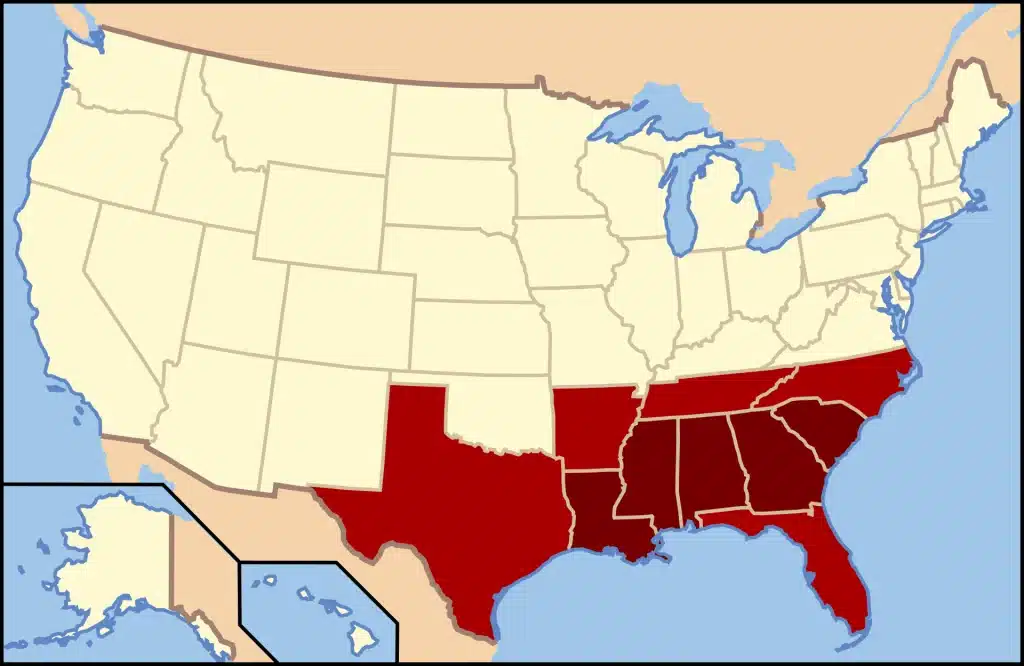
Blues music originated in the late 19th century among African Americans in the Deep South, evolving from African musical traditions and reflecting the social and economic struggles of freed Black communities.
Origins and Cultural Roots
Blues emerged in the Deep South of the United States around the 1860s, following the end of slavery, and was cultivated by freed African Americans rather than enslaved people themselves Wikipedia+2. Its roots lie in African musical traditions, including call-and-response patterns, stringed instruments, and melodic structures from the Sahel region of West Africa Wikipedia.
Early influences also included spirituals, work songs, field hollers, shouts, chants, and rhymed ballads, which expressed both personal emotion and communal experience Wikipedia+1. The music often reflected the hardships of sharecropping, racial segregation, and economic challenges in the post-Civil War South aaihs.org+1.
Musical Characteristics
Blues is primarily a vocal form, though instrumental accompaniment is common, especially guitar, piano, and later harmonica Encyclopedia Britannica+1. Although instrumental accompaniment is almost universal in the blues, the blues is essentially a vocal form. Blues songs are lyrical rather than narrative; blues singers are expressing feelings rather than telling stories. The emotion expressed is generally one of sadness or melancholy, often due to problems of love but also oppression and hard times. To express this musically, blues performers use vocal techniques such as melisma (sustaining a single syllable across several pitches), rhythmic techniques such as syncopation, and instrumental techniques such as “choking” or bending guitar strings on the neck or applying a metal slide or bottleneck to the guitar strings to create a whining voicelike sound.It is characterized by:
- Blue notes: flattened thirds, fifths, or sevenths that create a melancholic sound Wikipedia+1.
- Twelve-bar chord progression: the most common structural form, often with an AAB lyrical pattern Wikipedia+1.
- Call-and-response patterns: reflecting African musical heritage Wikipedia.
- Expressive techniques: melisma, string bending, and slides to convey emotion Encyclopedia Britannica.
Early blues often featured loose narrative verses, evolving into more structured forms in the early 20th century Wikipedia+1.
Related Reading
Key Takeaways
- Blues music originated in the late 19th century, reflecting the struggles of freed African Americans in the Deep South.
- It evolved from African musical traditions, incorporating spirituals, work songs, and field hollers.
- Key characteristics include blue notes, twelve-bar chord progressions, and call-and-response patterns.
- Regional subgenres like Delta Blues, Texas Blues, and Urban Blues emerged over time.
- Blues profoundly influenced other genres, including jazz and rock and roll, and remains vital to African-American culture.
The Deep South
Regional Styles and Evolution
Blues developed into regional subgenres:
- Delta Blues: from the Mississippi Delta, known for raw emotion and slide guitar.
- Piedmont Blues: from Georgia and the Carolinas, more melodic and influenced by ragtime.
- Texas Blues: characterized by clear vocals and single-string guitar arpeggios Encyclopedia Britannica.
- Urban Blues: including Chicago and West Coast blues, often electric and band-oriented Wikipedia.
- The Great Migration of African Americans to northern cities influenced the urbanization of blues, introducing electric instruments and expanding its audience aaihs.org.
Key Figures in Blues Genre
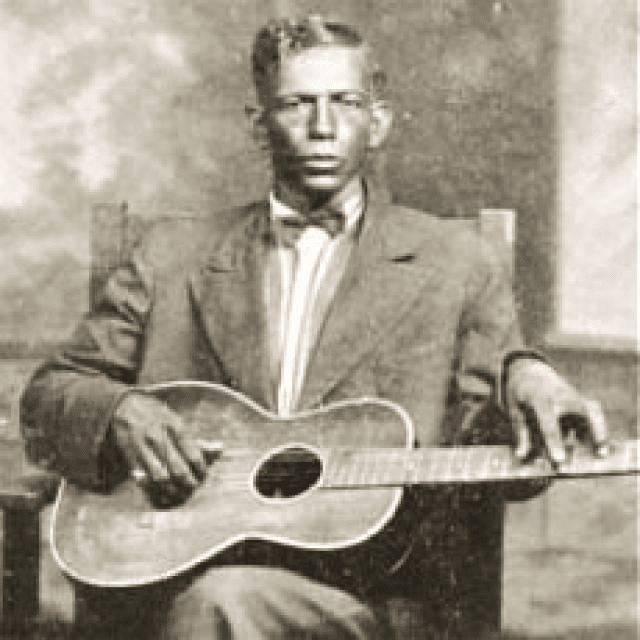
Legendary blues musicians include Charlie Patton, Son House (.PDF), Muddy Waters, Howlin’ Wolf, B.B. King, Blind Lemon Jefferson, and Blind Willie McTell, who shaped both rural and urban blues traditions aaihs.org+1.
Influence and Legacy
Blues profoundly influenced jazz, rhythm and blues, rock and roll, and country music, serving as a foundation for modern popular music Wikipedia+1. By the 1960s and 1970s, blues rock emerged, blending blues structures with rock instrumentation Wikipedia. The genre remains a vital expression of African American culture and a global musical influence.
Summary
Blues music is a secular, expressive, and deeply emotional art form that grew from African musical traditions and the lived experiences of freed African Americans. Its evolution from acoustic, rural forms to electric, urban styles reflects both historical change and cultural resilience, making it one of the most influential musical genres in history Wikipedia+2.
Where did the blues get its name?
In the 18th century the English phrase blue devils referred to delirium tremens, the upsetting hallucinations brought on by severe alcohol withdrawal. This was later shortened to the blues, which described states of depression and upset, and it was eventually adopted as the name for the melancholic songs that the musical genre encompasses. In addition, the characteristic flatted or “bent” notes of the scale used in blues, which give the music its plaintive sound, are referred to as “blue notes.”